Winter Texan Camping Guide Part #2
HOW TO PLAN FOR WINTER TRIPS
Before you hit the road this winter, you need to prepare your home, make reservations, pack your bags and get your RV ready for travel.
WINTERIZE YOUR HOME BEFORE YOU LEAVE
Winterizing your home includes preparing it for the temperature change and months of vacancy. Remember to add the following actions to your to-do list:
- Clean out the fridge and pantry: Pre-vacation cleaning is a great excuse to use up leftovers! Clean out your fridge, pantry and freezer and use or toss anything that will spoil while you are gone.
- Consider the pipes: Many experts recommend turning your water off before you leave for long trips to prevent expensive water leaks. For winter travel, you might also consider draining water lines once you have shut your water off to keep them safe from freezing and bursting. Contact a plumber or your water company for help if necessary.
- Adjust the thermostat: You can save energy and money by setting your thermostat to 68 degrees while you are at home and a few degrees lower when you leave for the winter. Avoid setting your temperature too low to protect your pipes. A programmable or smart thermostat allows you to monitor your home’s temperature while you are away. You can also set the temperature to be cooler while you are gone and start warming up just before you return. This is a good time as well to adjust other smart devices around your home, like lightbulbs and appliances working on a timer.
- Call the bank: Sometimes, a bank or credit card company might decline a transaction if they suspect fraudulent activity on purchases made out of your normal state. To keep your winter trip running smoothly, give all your financial institutions a quick call and let them know where you plan to spend the winter. This is a great opportunity to ask about any travel rewards they offer, like discounts or cashback at restaurants or gas stations.
- Manage services and deliveries: Make a list of all services and deliveries you usually get in a week and see which ones you can pause or cancel for the season. If the place you are visiting accepts packages, consider having your mail forwarded for the next several months. Do not forget to include your regular mail, newspapers, streaming services and scheduled cleaning appointments.
- Find a sitter: Consider hiring a sitter for your potted plants, pets or house while you are gone. If you do not have plants or pets, ask a close friend or neighbor to check on the house regularly to see that everything is ok.
- Increase security: Enjoy a worry-free trip by securing your home before you leave. If you cannot hire a housesitter, consider installing motion sensor lights and having a friend stop by to turn lights on and off and bring in any mail. Install or test your home security system and add deadbolts to weak doors, if necessary. Store any valuable items in a safety deposit box or with a family member until you return. Test your smoke detectors and brace storm shutters before leaving. If you are worried about leaving your house vacant, avoid telling too many people about your winter plans and save all social media posts for when you return.
- Clean up outdoors: It is always a good idea to clean up the outside of your house before winter comes, so nothing freezes or breaks before warm weather returns. Secure all outdoor items, like patio furniture, tools and garbage cans, so they do not blow away during a storm. Mow your yard, weed flower beds and gardens and consider pruning or covering vulnerable trees.
- Do a final walk-through: Before you leave, double-check areas around your home. Ensure all doors and windows are locked, appliances are unplugged, the ice maker is turned off, the dishwasher and garbage disposal are empty, the toilets are flushed and all faucets are off.
MAKE RESERVATIONS AHEAD OF TIME
Texas is a vacation hotspot, as demonstrated by the more than 72 million out-of-state visitors who traveled there in 2018. Many of these travelers are northerners seeking a winter getaway. Once you know where you want to spend the season, make all your reservations ahead of time, including:
- Your RV Site
- A rental car, if applicable
- Event tickets and parking passes
- Flight tickets, if necessary
Early planning is especially crucial if you are visiting Texas for a popular event or festival, as this is when campgrounds and winter RV parks in Texas tend to fill up the quickest. The sooner you make your plans and reserve your spot, the more likely you are to get your top pick for everything.
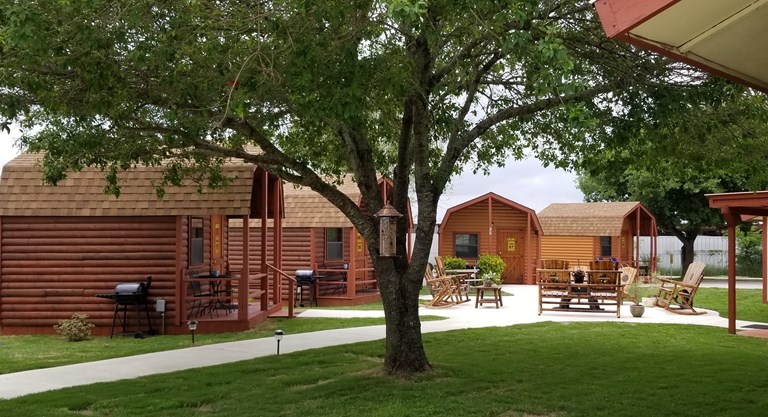
Texas is also a great spot to put down roots for the winter season, thanks to an abundance of KOAs available. Whether you want to stay for three weeks or three months, many KOAs in Texas offer extended stays so you can settle in and get the complete winter Texas experience. Campers have multiple ways to stay, such as cabins, Tent Sites or unique lodging options.
Choosing KOA for your long-term winter camping in Texas also offers access to a wide range of benefits, such as:
- More site variety
- Clean, level grounds to park your camper
- RV Sites with a KOA Patio®
- Dog parks
- Full hookup RV Sites with 30 and 50-amp services
- Special long-term stay rates
PREPARE YOUR RV
When RV camping in Texas, there are a few steps you need to take to prepare your RV for winter travel. While Texas does not typically see frigid winter temperatures, you still need to be ready for winter weather. If you are traveling a long way and stopping in several states before you reach your destination, many of these areas may have colder temperatures, ice and snow.
Prepare your RV for all types of winter weather by doing the following:
- Protect the plumbing: Protect your plumbing by emptying your water tanks and adding antifreeze if necessary. Apply heat tape to water and sewer hoses to keep them insulated.
- Install insulation: RV insulation includes sealing around all the windows and doors, hanging reflective window film or curtains, adding rugs, carpets or foam flooring and installing skirting around the base of your RV to ensure proper climate control.
- Pack extra blankets: Bring along extra blankets to have everything you need during chilly Texas nights or to alternate while doing laundry. Choose some blankets that you can use outdoors for winter picnics or late-night stargazing.
- Get a pre-trip inspection: Perform a do-it-yourself inspection or take your RV to a professional to check that everything is working. Make sure the battery is charged, appliances and lights work, there are no leaks in the tanks or fuel lines and tires are inflated and free of holes. Take the time to clean everything inside and outside of your RV, including flushing and cleaning all water tanks. Also be sure to fill up on gas, coolant, transmission fluid, brake fluid and windshield washing fluid. Test your fire extinguisher, smoke detector and carbon monoxide detector. If your RV has been sitting for a while, open up the windows to let fresh air in before traveling. Finally, see that your insurance is up-to-date and stash a copy in the RV.
- Bring survival equipment: Even when you are staying somewhere with on-site amenities like Kampgrounds of America, it is important to stock your RV with emergency survival equipment like drinking water, a jump starter, non-perishable food, paper maps, tire chains, a camping stove, fire starter and fuel, spare cash and a first-aid kit. These items will come in handy should your RV break down while on your way to Texas.
PACK YOUR BAGS ACCORDINGLY
To have the best winter camping in Texas, consider the specific spot you are going to stay and what winter looks like there. For example, spots along the coast might get more rain, while places in the northern part of the state might see cooler temperatures. Here are some suggestions:
- Clothes: As you pack your suitcase, consider the things you plan to do when you are on your trip. Will you be doing any indoor swimming, hiking or fine dining? What kind of terrain should you expect at your chosen lodging? Some basic clothing items to have include light layers, a winter coat, a hat, scarf and gloves. You should also bring along different types of shoes to fit each activity, like sandals, hiking boots and rain boots.
- Accessories: Bring along accessories and miscellaneous items you need for a safe and fun trip, like an umbrella, passport, board games, movies, local guide books and all personal care items.
- Camping gear: RV camping means you do not have to worry about setting up your own place to stay or sleeping on a sleeping pad, but there are still some supplies you need to have on hand. Bring along fire roasting sticks, fire starter, outdoor kitchen equipment, camping furniture, a cooler for outdoor drinks, camping food, sunscreen, insect repellant and an outdoor rain shelter so you can relax outside your RV regardless of the weather. Save room in your RV for recreational gear, like your bicycle or kayak and paddles.
Consider what the campground will provide for you, too, such as laundry facilities, a shower house and a fire ring. Have plans to stay in a furnished cabin instead of an RV? Many items, like kitchen utensils and linens, may already be provided for you. Contact your campground for specific information.