30amp versus 50amp RVs
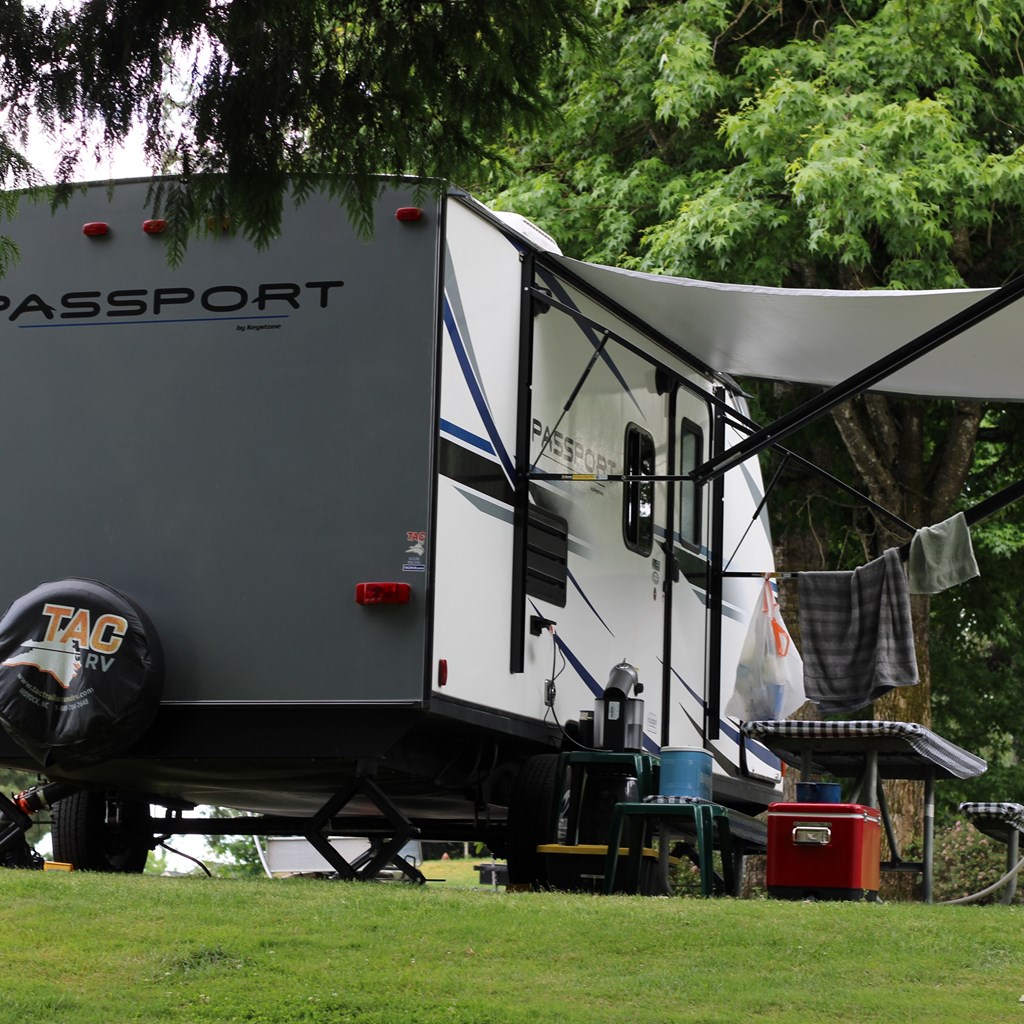
Your RV amp service tells you how much current your camper can draw from the campgrounds electrical connection. If you exceed that draw, it will trip a breaker, or possibly even damage the electrical system of your RV or the campgrounds. A 30-amp RV can consume up to 30 amps, while a 50-amp model can handle up to 50 amps. Knowing the difference between these two types enables you to shop for the right choice more effectively. It can also support more informed use of your electrical system.
30-Amp Service
The 30-amp service covers RVs with lower load requirements. It is found on smaller RVs and has limits to what it can run at the same time. Owners of 30-amp RVs should monitor power usage to avoid popping breakers. An RV with 30-amp service can power:
- One air conditioner
- Fridge
- Water heater
- Microwave
- Television
- Lights
- Small kitchen appliances
- Electrical outlets for small devices
Keep in mind that the 30-amp service will not be able to power all of these appliances simultaneously.
Characteristics of 30-amp service include:
- Plug: The plug has three prongs, including a 120-volt hot wire, a ground wire and a neutral wire.
- Wattage: An RV with 30-amp service delivers a maximum wattage of 3,600, but it may be slightly less in practice due to the decrease in voltage as the distance from the power source increases.
- Outlets: This model has fewer outlets than those with 50-amp service.
- Breaker: The breaker is typically a single row for a 30 amp RV.
While the plugs differ, you can plug into a 20-amp or 50-amp service with an adapter — or dog bone. When plugging into 50-amp service, you will still be limited to 3,600 watts. When plugging into 20-amp service, you will be limited to 2,400 watts.

50-Amp Service
RVs with 50-amp service are typically larger and meant to handle more amenities. You may choose an RV with 50-amp service if you plan to take longer trips or want enhanced comfort. An RV with 50-amp service can run:
- Two air conditioners
- Fridge
- Water heater
- Microwave
- Washer and dryer
- Television
- Heaters
- Electrical outlets for larger electronics
However, similar to the 30-amp service, not all of these appliances can be operated at the same time.
Characteristics of this service level include:
- Plug: The 50-amp RV plug has four prongs, including a neutral wire, two 120-volt hot wires and a ground wire.
- Wattage: The maximum wattage for this service is 12,000 watts but may be slightly less due to a decrease in voltage as the distance from the power source increases.
- Outlets: A 50-amp camper has more outlets than a 30-amp RV.
- Breaker: The breaker has a split panel because each leg of the 120 volts alternating current (VAC) goes to one side. The panels are set up to “share” the amp draw for total pull.
If you use a 50-amp trailer, you can plug into a 30-amp service with an adapter, but it will be limited to 3,600 watts.
Comparison Between 30-Amp vs. 50-Amp RVs
While campers with 30 or 50 amps have several similarities, they also include some differences, such as:
- Power capacity: An RV with 50-amp service can handle much more demand and run additional appliances at the same time.
- Model: The level of electrical service varies by the RV. Discover whether a camper is 30 amps or 50 amps before buying.
- Cost: RVs with 50-amp service are more expensive and larger, while 30-amp RVs are smaller, lighter and contain fewer amenities.
- Complexity: An RV with 50-amp service has a more complex electrical system, which may impact the difficulty of repairs, depending on the specific issue.
- Hookups: While 50-amp hookups are becoming more common, they do not exist at every campground, which may require you to plug in a 50-amp RV to a 30-amp hookup. Hookups with 30-amp service are much more prevalent.
- Comfort: A 50-amp model runs two air conditioners and can handle “heat pump” style A/C units. With 30-amp RVs, you can only power one air conditioner, which is less effective at maintaining temperatures in extreme weather.
Don't overuse the power at your pedestal
When you prepare to connect your RV to the campgrounds electrical pedestal, you will often find multiple types of electrical connections. It is important to know, that only one ONE of these connections are suitable to use at a time. 50-amp services are typically meant to handle more amenities. If your RV is rated for 30-amps, a 30-amp connection may best meet your requirements. Under no circumstance should you ever utilize both, or sometimes as many as 3 electrical connections, found within the campgrounds electrical pedestal. This can, and likely will cause MAIN breakers to trip, disrupting power not only for you, but often for your neighboring campsites as well. It is even possible to cause damage to the pedestal, or the campgrounds wiring. To avoid any costly damages you may incur, use your electrical connections properly.
Do NOT charge your Electric Vehicle
While it may be very tempting to just plug your EV into a campgrounds electrical pedestal, it is not allowed. Damage can occur to the pedestal, electrical system of the campground, as well as your EV. To avoid any costly mishaps, just don't do it. If you need to charge your EV, locate an appropriate charging station, or inquire in the registration office about off-site charging locations.
Tips for Efficient Electrical Usage in an RV
An average home offers about 150- to 200-amp service. Since RVs provide less power than a home, users may seek ways to make their RV more efficient or reduce energy usage, especially in a 30-amp RV. Various methods enable more efficient electrical usage, including energy-saving practices, proper maintenance and wise appliance use. Top tips include:
- Turning off appliances when not in use.
- Using natural light or keeping selective lights on.
- Switching to LEDs.
- Avoiding nonessential electrical equipment, including hair dryers or high-wattage appliances, especially on limited power supply like a 30-amp RV.
- Getting regular electrical system maintenance from an expert.
- Cleaning filters in the air conditioning system regularly.
- Insulating windows to reduce heat or air conditioning loss.
- Monitoring energy usage to find areas of energy-wasting.
- Adding energy-saving devices like soft starters to stop amperage spikes in an air conditioning unit.

FAQs About RV Electrical Systems
Here are some common questions regarding camper electrical systems.
Is a 30- or 50-Amp RV Better?
Neither type is better than the other. The RV you choose depends on your electrical requirements and budget. You may choose a 50-amp camper so you can use extra amenities or a 30-amp model if you have a limited budget.
How Do You Troubleshoot Electrical Problems?
Like a home, an RV can have electrical issues occasionally, from malfunctioning appliances to tripped breakers. Here is a brief process to follow for figuring out the source:
- Consult the owner’s manual.
- Check the power source.
- Inspect circuit breakers or fuses with a multimeter.
- Test outlets.
- Examine appliances to ensure compatibility with your power supply.
- Inspect wiring and connections.
- Test inverter and converter.
What Electrical Terminology Do You Need to Know for Your RV?
A few terms to know include:
- Amperes (current): This term refers to the quantity of electrons flowing through a conductor. It signifies how much electricity is moving through the system.
- Wattage (watts): This metric measures electrical energy and shows how much work a device can do. It equals one ampere under a pressure of one volt.
- Voltage (volts): This term refers to the electrical pressure or difference between two points in a circuit, which determines how strong the electricity is.
- Resistance (ohms): Determine the electrical resistance of a material with this value. The higher the resistance, the more challenging it is for electricity to flow.
- Hot wire: This wire carries power from the source to the electrical device.
- Neutral wire: This wire completes the circuit, providing a return path for power to return to the source.
- Ground wire: This safety feature allows electricity to flow into the ground, reducing the risk of electrical shock.
What Is the Importance of Surge Protectors for RVs?
An external surge protector protects electrical devices and systems from power surges. It is an essential part of electrical protection. These devices benefit RVs, which move around and connect to many power sources. They also protect from surges caused by lightning strikes.
Why Trust Kampgrounds of America?
KOA is a national leader in the camping industry, with over 500 campgrounds across North America. The campground chain began in 1962, meaning extensive experience through years of working with campers and RV owners.
The KOA team has specialized knowledge in camping and RV topics, including details like electrical systems. This knowledge enables the sharing of reliable insights. KOA is also known for consistency in training, expertise and a dedication to serving RV owners and campers, providing an exceptional experience at the campground and between trips.