New England Fall Foliage: Reasons to Visit This Autumn
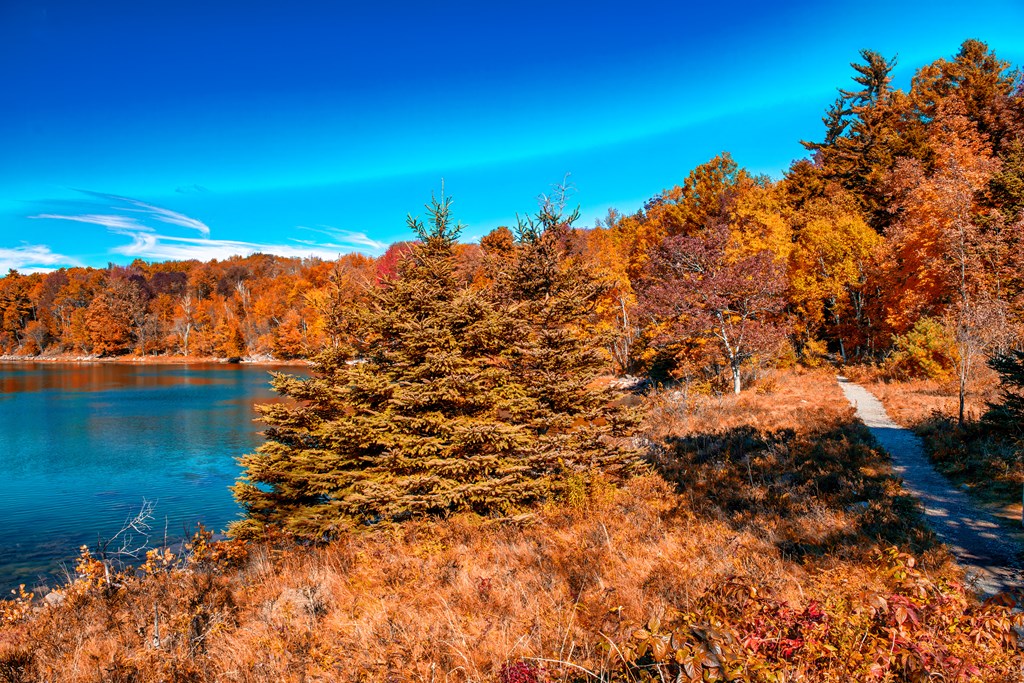
Vermont's sugar maples start turning as early as mid-September. By the time the color finally reaches Maine's coastline in mid-October, New England has spent nearly a month putting on a display that pulls leaf-peepers in from every state in the country. Few regions turn color on that kind of rolling schedule, and fewer still pack this much elevation, coastline, and hardwood forest into a few hours' drive.
Lebanon KOA Holiday on Salmon Falls River sits in southern Maine's York County, close enough to the New Hampshire border that New England fall foliage is less a single destination than a moving target you can chase for a week. Vermont's early color is a few hours west, the White Mountains are a straight shot north, and Maine's own coastal peak lands about a week behind everyone else's. This guide breaks down when the color actually peaks state by state, where to drive to see it, and why autumn — not summer — is the season worth building a camping trip around.
When Does Fall Foliage Peak in New England? A State-by-State Timeline
New England's foliage doesn't turn all at once — it moves south and downhill over roughly six weeks, which is exactly why a well-timed trip can catch two states near peak color instead of one.
- Vermont — Late Sept.–mid-Oct. Highest sugar maple density in New England; color arrives here first.
- New Hampshire — Early–mid-Oct. The White Mountains peak first; the Lakes Region and Seacoast follow about a week later.
- Maine — Early–mid-Oct. Interior Maine turns close to New Hampshire's timing; coastal areas lag about a week due to ocean-moderated temperatures.
- Massachusetts — Mid–late Oct. The Berkshires peak first; eastern Massachusetts holds color into late October.
For guests based at Lebanon KOA, that timeline works in your favor: book the first two weeks of October and you're positioned to catch inland Maine and New Hampshire near peak, then swing toward the coast a few days later as it catches up. Exact timing shifts by 7–10 days year to year depending on rainfall and overnight temperatures, so check Maine's official foliage report the week before you leave rather than locking in dates months out.
Why New England's Fall Color Is Different From Anywhere Else
New England's color isn't just early or reliable — it's structurally different from what most of the country sees in autumn, and the reason comes down to what's actually growing in these forests.
Chlorophyll is what keeps leaves green all summer, and it breaks down fastest once nights get cold and days get short. When it fades, the yellow and orange pigments that were in the leaf all along — carotenoids — finally show through. Red is the rarer color: it's produced fresh each fall, when sugars get trapped in the leaf on sunny days and cool (but not freezing) nights, triggering a burst of anthocyanin. New England's mix of warm, sunny autumn days and crisp nights is close to ideal for that reaction.
What makes the region distinct is the sheer density of trees capable of producing that red. Sugar maples — the same trees tapped for maple syrup every spring — are concentrated across New England in a way few other regions can match, alongside red maple, birch, and beech. That combination is what produces the full range from butter yellow to deep crimson in the same tree line, often within the same week.
Where to See It: Scenic Drives and Overlooks Near Salmon Falls River
You don't need to drive for hours to get a real foliage payoff from Lebanon KOA. A few options, closest first:
- Blue Job Mountain (Farmington, NH) — a short, family-friendly hike to a fire tower with a 360-degree view over the New Hampshire Seacoast hills; one of the better payoff-to-effort ratios in the area for foliage photos. See our full hiking guide near Lebanon KOA for trail details.
- Milton Three Ponds — flat water ringed by hardwoods, good for a slower paddle or shoreline walk when the color is at its brightest.
- Portsmouth and the NH Seacoast — walk the waterfront near Strawbery Banke Museum, where 17th- through 19th-century houses sit under mature street trees that turn early in the season.
- Kancamagus Highway (NH Route 112) — the White Mountains' signature scenic byway, roughly a 90-minute to two-hour drive north; worth a full day trip during New Hampshire's peak window. [editor: confirm exact drive time before publishing]
If you only have one afternoon, Blue Job Mountain and Milton Three Ponds are both close enough to fit around a normal check-in day. If you're planning a full day out, the Kancamagus earns the drive — just go on a weekday if you can, since NH Route 112 backs up on peak-color weekends.
Fall Festivals and Harvest Events Worth Building a Trip Around
A few dates on the 2026 calendar make good anchors for a fall trip to southern Maine:
- Lebanon KOA Fall Fest — September 25–27, 2026. The campground's own season-closing weekend, with the foliage just starting and the crowds already thinner than midsummer.
- Fryeburg Fair — October 4–11, 2026. Maine's largest agricultural fair, in the western part of the state — livestock shows, a woodsmen's competition, and a midway that runs for eight full days. Figure on a half-day trip; it's a scenic drive across southern Maine either way.
- Seacoast apple and pumpkin picking — weekends through mid-October. Several pick-your-own orchards on the New Hampshire Seacoast open for the season once the first cool nights hit; check individual orchard sites for exact hours, since they shift year to year.
None of these require reshuffling a whole trip around them — they're the kind of stops that fit around a few days of hiking and driving without becoming the entire itinerary.
Fewer Crowds, Cooler Air: The Practical Case for Fall Camping
Foliage gets the attention, but the weather is the real argument for camping in fall over summer. Daytime highs in southern Maine typically settle into the low 60s by mid-October, which is comfortable hiking weather without the humidity that makes July afternoons feel like a chore. Overnight lows drop into the 40s — cold enough to justify a real campfire, not so cold that it stops being camping.
The other practical wins are less visible but matter just as much:
- Biting insects drop off sharply after the first hard frost, usually by early-to-mid October in southern Maine.
- Site availability opens up once school is back in session, so weekday and even some weekend stays are easier to book than a July Saturday.
- Trails that feel crowded in summer thin out fast after Labor Day, which matters most on short, popular hikes like Blue Job Mountain.
None of that means fall camping is a compromise version of summer camping — for a lot of guests, it's the better trip.
Make Lebanon KOA Your Base Camp This Fall
Lebanon KOA Holiday on Salmon Falls River has both RV sites with full hookups and deluxe cabins with full baths, so a fall trip doesn't have to mean choosing between comfort and being outdoors. Every site has room for a fire, which matters more in October than it does in July, and the camp store keeps firewood and propane in stock through the fall season.
The property's own Fall Fest weekend (September 25–27, 2026) is built around exactly this: crisp air, early color, and a last on-site event before the calendar turns toward winter. Book that weekend, or any week in early October, and you're within a short drive of everything above — without giving up a comfortable place to come back to at the end of the day.
Frequently Asked Questions
When is peak fall foliage in New England?
There's no single date — it moves by state. Vermont typically peaks late September through mid-October, New Hampshire and interior Maine peak in the first half of October, and coastal Maine and eastern Massachusetts hold color into late October. Check a state foliage tracker the week before you travel, since timing shifts 7–10 days year to year.
Where can you see the best fall foliage near the Maine–New Hampshire border?
Blue Job Mountain in Farmington, NH and Milton Three Ponds are both close, low-effort options near Lebanon KOA. For a bigger day trip, the Kancamagus Highway through New Hampshire's White Mountains is the region's best-known scenic drive for foliage.
Is fall a good time to go camping in Maine?
Yes — daytime temperatures in the low 60s, cooler nights good for campfires, fewer biting insects, and lower site demand than peak summer make early-to-mid October one of the more comfortable windows to camp in southern Maine.
How many days do you need for a New England fall road trip?
Three to five days is enough to see foliage in two states without rushing — for example, a few days based in southern Maine covering the New Hampshire Seacoast and White Mountains, timed to the state-by-state peak windows above.
Lebanon KOA Holiday on Salmon Falls River sits on the Maine–New Hampshire border in York County, with RV sites, deluxe cabins, and tent sites within reach of the White Mountains, the NH Seacoast, and the Maine coast.