Wallops Island NASA Visitor Center: A Day Trip Guide
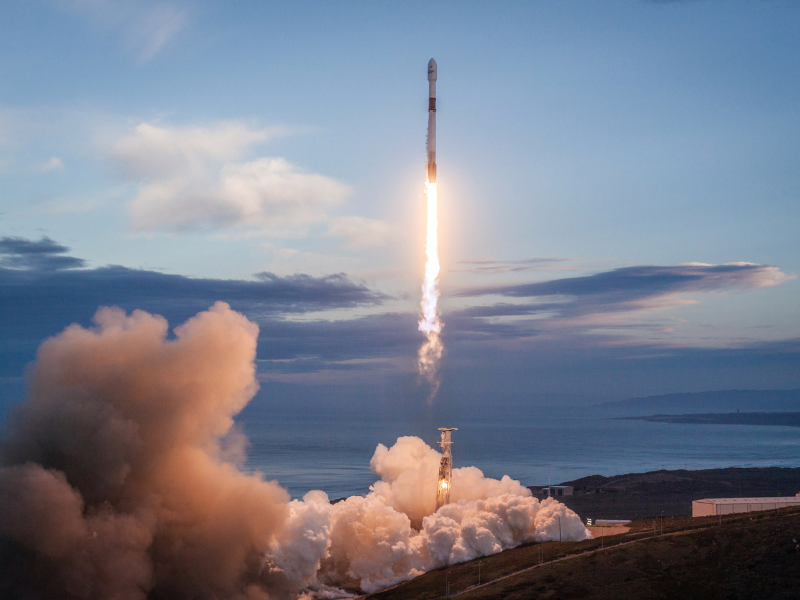
Most campground guides on Virginia's Eastern Shore point you toward Chincoteague's ponies and stop there. A short drive past the refuge sits a working NASA field center where sounding rockets and satellites still launch regularly. The Wallops Island NASA visitor center is one of the only public facilities in the region where you can walk through real space exploration exhibits in the morning and watch an actual launch pad from a public viewing area by afternoon, free of charge. Families staying at Tall Pines / Chesapeake Bay KOA are close enough to make it an easy day trip. Here's what's inside, how launch viewing works, and how to pair it with Chincoteague.
What Is the NASA Wallops Flight Facility Visitor Center?
NASA Wallops Flight Facility is an active government launch range on Virginia's Eastern Shore, a short drive from Tall Pines / Chesapeake Bay KOA and just south of Chincoteague. It has flown sounding rockets, satellites, and space station resupply missions for decades. This isn't a museum built around old hardware. It's a working facility, and the visitor center sits on its edge.
The public-facing piece is the Wallops Island NASA visitor center, at 175 Chincoteague Road in Wallops Island, Virginia. Unlike bigger space centers that charge admission and pack in all-day crowds, this one is small, quiet, and free. NASA itself points to Antares rocket launches as the facility's biggest public draw, since those missions are visible for miles and pull thousands of visitors when a launch window opens.
For families staying at Tall Pines / Chesapeake Bay KOA, here's what that adds up to:
- A real, active NASA facility, not a static museum
- Free admission, no lines or timed entry
- A genuine chance to see an actual launch pad
Most guests spend well under two hours at the visitor center itself. Paired with the rest of your day on the Eastern Shore, it's a different kind of stop than another beach walk. You'll find it listed alongside Chincoteague and Assateague on our Temperanceville area attractions page, though it rarely gets the attention it deserves.
What's Inside: Exhibits and Hands-On Science
Once inside, the exhibits are built around real NASA science rather than gift-shop spectacle. The centerpiece is the Sun-Earth-Universe exhibit, a hands-on area covering space weather, planetary science, and how NASA studies the sun's effect on Earth. From there, galleries walk through the engineering behind sounding rockets, the smaller research rockets Wallops has specialized in for decades, plus displays on aircraft and scientific balloon missions.
The visitor center also runs two theaters worth building time for.
- A main auditorium near the entrance running short films on NASA missions
- NOAA's Science On a Sphere theater in back, where a suspended sphere displays rotating datasets like hurricanes, ocean currents, or Mars, controlled from a kiosk visitors operate themselves
That kiosk-controlled sphere is the exhibit most kids remember. It's interactive rather than passive, turning abstract science, like how a hurricane forms or what the far side of the moon looks like, into something a nine-year-old can explore hands-on.
Plan on 45 to 60 minutes to see everything, longer if your kids get pulled into the sphere or a film is running. That's a manageable chunk of a day trip, not a multi-hour museum commitment.
Current Hours, Admission, and What to Confirm Before You Go
The Wallops Island NASA visitor center runs a set weekly schedule, but it isn't open every day. As of this writing, per NASA's own visitor center page, the public schedule breaks down like this.
Admission is free every day the center is open, with no ticket to buy and no timed entry to reserve. The center also closes on federal holidays, and NASA notes hours are subject to change around rocket launches.
Before you plan your day around it, call 757-824-1404 or check NASA's official Wallops visitor center page, so you don't drive out and find the doors locked. If you're booking a stay at Tall Pines / Chesapeake Bay KOA around a specific date, this is the one call worth making a few days ahead.
Can You Actually Watch a Rocket Launch From Wallops Island?
Watching an actual rocket launch is the biggest reason to build a day around Wallops instead of treating it as an afterthought. NASA maintains a dedicated Launch Viewing Area a few miles from the launch pads, one of the only public sites with a clear line of sight to an active range. That's what makes rocket launch viewing in Virginia genuinely rare, and it's free.
Getting in costs nothing and needs no reservation. It runs first-come, first-served, and staff can't guarantee parking once the area fills. What you'll see depends on which kind of rocket is flying.
- Large missions, like Antares rockets carrying cargo, draw thousands of spectators and can fill the viewing area within an hour of opening
- Sounding rocket launches are smaller and quieter, often lasting only seconds, and rarely reach capacity
A big Antares launch is a genuine spectacle worth arriving early for. A sounding rocket is a nice bonus if the timing lines up.
NASA typically doesn't release launch dates more than about two months out, and dates shift for weather and mission needs right up until launch day. If you're planning a stay around a specific launch, check NASA's Wallops Launch Schedule page shortly before your trip. Treat any launch as a bonus, not the reason the trip has to work.
Is Wallops Worth It With Kids, and How Does It Pair With Chincoteague?
Built for Hands-On Learners
For the KOA family sweet spot, roughly ages 5 to 14, Wallops earns its spot without much selling. The exhibits are built to be touched, not just looked at. A kid who won't sit still through a typical museum will usually find something to push, spin, or climb into here.
- Indoors and air-conditioned, a good backup for a rainy day or Eastern Shore heat
- Free admission, so no pressure to outlast short attention spans
- Science On a Sphere works across ages, visual for younger kids and substantive for older ones
The layout is open and single-level, so strollers aren't a problem. This isn't a souvenir-heavy attraction like a theme park. It's closer to a science museum with a space theme, and kids who like hands-on learning tend to love it.
Add a Chincoteague Afternoon
Wallops and Chincoteague sit close enough together that combining them into one day beats treating them as separate trips. The visitor center opens at 10 a.m. and takes under an hour to see well, leaving the rest of the day open.
From Chincoteague, you're within reach of the Chincoteague National Wildlife Refuge and its wild ponies, plus Assateague Island National Seashore. Our dedicated Chincoteague Pony Swim guide and Assateague day trip guide cover both, so we won't repeat that ground here.
1. Visit the visitor center first, before other campground families make the same drive
2. Grab lunch in Chincoteague
3. Save the refuge and beach for the afternoon, when the light is better for wildlife
Stacking the day that way keeps the indoor exhibits in the morning and gives the beach the better afternoon light.
Frequently Asked Questions
Is the NASA Wallops visitor center free to visit?
Yes. Admission is free every day it's open, with no tickets or timed entry required. The public launch viewing area is also free, first-come, first-served. Confirm current hours before you go, since the schedule can change.
How far is the Wallops Island NASA visitor center from Tall Pines / Chesapeake Bay KOA?
It's a short, straightforward drive south from Tall Pines / Chesapeake Bay KOA along Virginia's Eastern Shore, roughly the same direction as Chincoteague. Drive times vary by route and traffic, so plug the visitor center's address, 175 Chincoteague Road, Wallops Island, into your map app before you leave.
Can the public watch rocket launches at Wallops Island?
Yes. NASA operates a free public Launch Viewing Area near the launch pads, and rocket launch viewing in Virginia doesn't get much more accessible. Large Antares missions can draw thousands and fill up fast, while sounding rocket launches rarely reach capacity. Check NASA's schedule close to your trip, since dates aren't announced far ahead.
What are the current hours for the NASA Wallops visitor center?
As of this writing, the center is open to the public Thursday through Saturday, 10 a.m. to 3 p.m., with Tuesday and Wednesday reserved for school groups and Sunday and Monday closed. Hours shift around launches and holidays, so call 757-824-1404 or check NASA's page first.
Tall Pines / Chesapeake Bay KOA sits on Pocomoke Sound on Virginia's Eastern Shore, with waterfront sites, a private beach, and easy access to Chincoteague, Assateague, and NASA Wallops for guests who want more than just a campsite.


