Fall in Glacier National Park, Part 2
The Best Hikes, Drives, and Viewpoints for Fall Color
Once you've got your dates sorted, the next question is simple: where do you actually go?
Glacier covers more than a million acres, and not all of it turns color at the same time or in the same way. Some of the best fall scenery in the park doesn't require a strenuous hike to reach, but a few of the most memorable experiences do.
Here's how to think about it by region, along with a few routes worth building a day around.
Going-to-the-Sun Road: Still the Headliner, Even in Fall
If you only have time for one drive, this is still the one.
Going-to-the-Sun Road stretches fifty miles across the width of the park and climbs over Logan Pass. During summer, the experience can feel more focused on traffic than scenery. In fall, that changes completely. Crowds thin out enough that you can actually stop at overlooks, take your time, and enjoy the views.
What you'll see depends on timing. Earlier in the season, aspens turn gold against a backdrop of evergreen forests, while the first dustings of snow begin appearing on the highest peaks. That contrast is part of what makes the road especially photogenic during fall.
Later in the season, particularly by mid-October, the broader autumn palette settles across the entire corridor, assuming the road remains open. As mentioned in Part 1, always check road conditions before your trip, especially if you're planning to visit Logan Pass or higher elevations.
The West Side: Where Fall Starts First
The west side of the park typically sees color first and offers a quieter, more spread-out experience than many of the popular locations on the east side.
A few spots worth prioritizing include:
Bowman Lake
Bowman Lake is one of the classic fall destinations in Glacier. Calm water reflects the surrounding mountains, and the access road often provides excellent color along the way.
It takes a little extra effort to reach, which helps keep crowds down even during peak travel periods.
North Fork Road
North Fork Road doesn't receive nearly as much attention as Going-to-the-Sun Road, and that's part of its appeal.
The road is slower and rougher, but the fall color can be outstanding. It's common to find long stretches where you have the scenery almost entirely to yourself.
Larch Season on the West Side
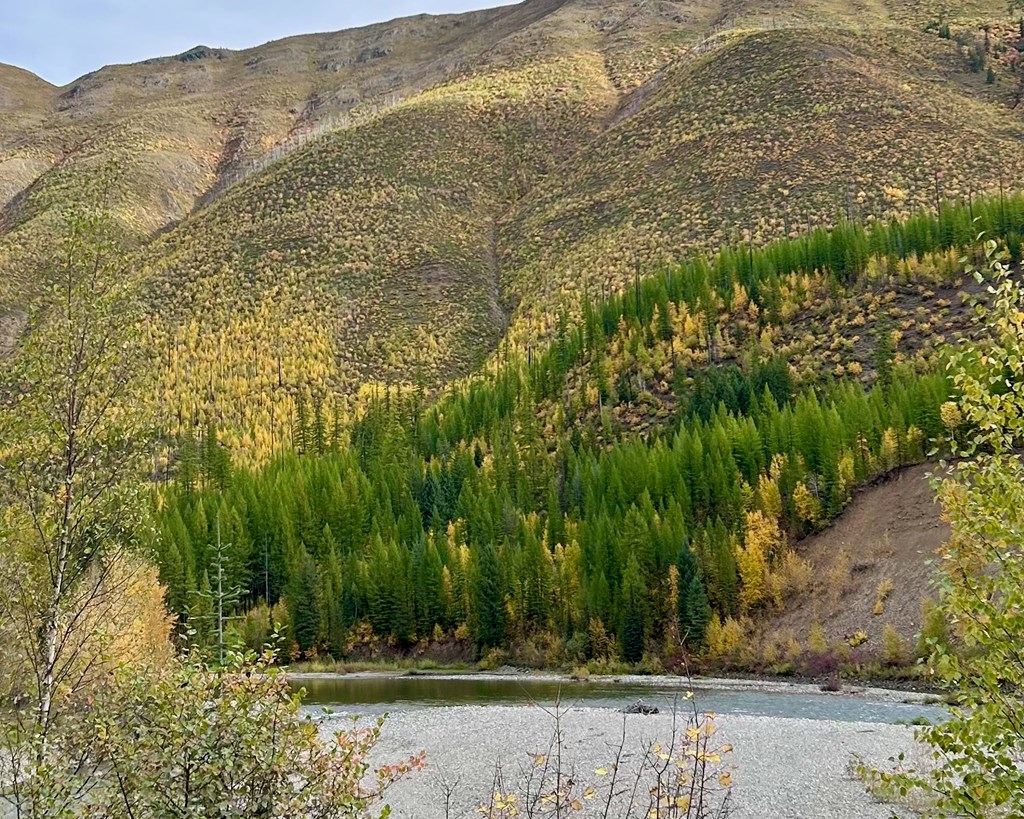
The west side is also the best place to experience western larch trees when they turn in mid-October.
Most of Glacier's larch forests are located here, and seeing entire hillsides glowing gold is one of the most memorable sights in the park, regardless of season.
The East Side: A Little Later, A Little Different
Fall color on the east side generally lags behind the west by a week or two. That can actually work in your favor if you're trying to maximize your chances of catching peak color during a longer trip.
St. Mary
St. Mary is one of the top destinations on the east side during fall.
Aspens turn bright yellow around the lake while cottonwoods bring rich gold tones to the shoreline. The light here often feels sharper and more dramatic than on the west side, thanks to the more open landscape and expansive views.
Two Medicine Valley
Two Medicine Valley is worth seeking out because relatively few visitors make the trip.
It offers everything people love about Glacier: colorful foliage, dramatic mountain scenery, quiet lakes, and far fewer visitors than many of the park's better-known destinations.
Highway 2: The Easy Option for Larch Season
If your trip doesn't include time for exploring deep into the park, Highway 2 along Glacier's southern boundary is an excellent alternative.
The route is easy to access, doesn't require entering the park itself, and passes through some of the best roadside larch viewing opportunities in the region.
For a drive that requires very little planning, it delivers an impressive amount of scenery.
A Hike Worth the Effort: The South Boundary Trail
If you'd rather spend time on the trail than behind the wheel, the South Boundary Trail is a strong fall option.
The trail begins near West Glacier and follows the Middle Fork Flathead River for approximately 11.5 miles. Plan on about five hours if you're completing the full route.
You'll enjoy river views for much of the hike, along with seasonal color depending on timing. Because it's away from the park's busiest attractions, you'll typically encounter far fewer people than on more popular trails.
This is a full-day adventure rather than a quick stop. Start early, account for shorter daylight hours, and check trail conditions before heading out since fall weather can change quickly.
How to Actually Plan a Day Around This
The simplest approach is to focus on one side of the park each day rather than trying to cover everything.
Both the west and east sides offer enough scenery and activities to fill a full day. Traveling between them, especially over Logan Pass, takes more time than many visitors expect, particularly when you're stopping at viewpoints along the way.
If your primary goal is fall color, focus on scenic drives and shorter walks from overlooks rather than committing to long hikes. You'll experience a wider variety of landscapes and colors with less time and effort.
If hiking is your priority, choose one signature trail and build the rest of your day around it rather than trying to combine a major hike with a full driving tour.
In Part 3, we'll cover what to expect once you're out there, including wildlife activity, weather conditions, what to pack, and the practical details that can make the difference between a great fall trip and a challenging one.