Fall in Glacier National Park, Part 3
Wildlife, Weather, and What to Actually Pack
Fall in Glacier isn't just a quieter, prettier version of summer. It's a different park with different risks and different rhythms.
The animals are behaving differently, the weather is less predictable, and many of the services visitors rely on during summer begin disappearing as the season progresses. None of that should discourage you from visiting. It simply means a fall trip rewards a bit more preparation than a July vacation.
Wildlife Is More Active, Not Less
Many visitors assume wildlife sightings decrease once summer ends. In reality, the opposite is often true.
Fall is when animals, especially bears, are feeding aggressively to prepare for winter. As a result, they tend to be more active and more visible than at many other times of the year.
That's a great opportunity if you're hoping to see wildlife, but it also comes with added responsibility. Animals focused on feeding can be less concerned about nearby people, which makes carrying bear spray and knowing how to use it especially important.
Make noise while hiking, particularly in thick vegetation or near water where visibility is limited. Keep a safe distance from any wildlife you encounter. A good sighting from far away is always better than a close encounter that puts people or animals at risk.
There's another wildlife experience happening during fall that many visitors overlook. Glacier sits along one of the most significant raptor migration routes in North America, following the Continental Divide.
Hawks and golden eagles pass through in impressive numbers during the season. If you're at the right overlook on the right day, it's an incredible sight to witness. At the same time, it's easy to miss completely if you aren't expecting it.
The Weather Won't Stay the Same All Day
This is probably the most underestimated part of a fall trip to Glacier.
A day can begin sunny and 60 degrees and end with snow flurries by late afternoon, particularly at higher elevations. That's not unusual. It's a normal part of fall weather in the Rocky Mountains.
The practical takeaway is simple: prepare for conditions that are colder and more variable than the forecast suggests, especially if you're spending time near Logan Pass or on exposed trails.
Layers matter more than any single piece of gear. A warm morning doesn't guarantee a warm afternoon.
What to Actually Bring
Nothing on this list is unusual, but it's worth being intentional about what you pack because conditions can change quickly.
Bring:
A waterproof, insulated jacket
A warm mid-layer such as fleece or wool
Waterproof hiking boots
Bear spray carried somewhere easily accessible
A warm hat and gloves
A headlamp
Plenty of water and food for the day
That final point matters more than many visitors realize.
By October, most concessions inside the park have closed for the season. You cannot count on finding food, drinks, or supplies once you're inside the park. Plan to be self-sufficient, even if you're only heading out for a day trip.
Services Thin Out as the Season Progresses
By late September, most lodging, restaurants, and many visitor services inside the park have closed for the year.
If you're visiting in October, plan on staying outside the park and bringing in what you need rather than expecting to find services once you arrive.
This isn't a small inconvenience. It's one of the defining realities of a late-season Glacier trip and one of the main reasons that early and mid-September visits tend to feel much simpler than trips later in October.
Road and Shuttle Access
It's worth repeating one final time because it affects nearly every aspect of planning.
As of 2026, Glacier National Park no longer requires timed vehicle reservations to access the park, including Going-to-the-Sun Road.
Visitors still need a standard park entrance pass, and parking at popular locations such as Logan Pass is now managed with time limits rather than reservation requirements.
There is also a ticketed shuttle service that provides express transportation to Logan Pass from both sides of the park. This can be a convenient option if you're planning a hike that begins there and don't want to deal with crowded parking lots.
Keep in mind that the shuttle currently does not serve Trail of the Cedars or Avalanche Lake, so you'll need to plan parking separately if those destinations are on your itinerary.
None of these changes eliminate the need to check current road conditions before your trip.
The high alpine section of Going-to-the-Sun Road is typically the first area to close when significant snowfall arrives, and in October those closures can happen with very little warning. Check conditions the night before your trip and again the morning you head out.
Putting It All Together
A fall trip to Glacier rewards flexibility.
Build an extra day into your itinerary if possible. Check weather forecasts and road conditions more than once. Carry extra layers, extra water, and a little more patience than you think you'll need.
Most importantly, arrive expecting an experience that feels very different from the summer version of Glacier National Park.
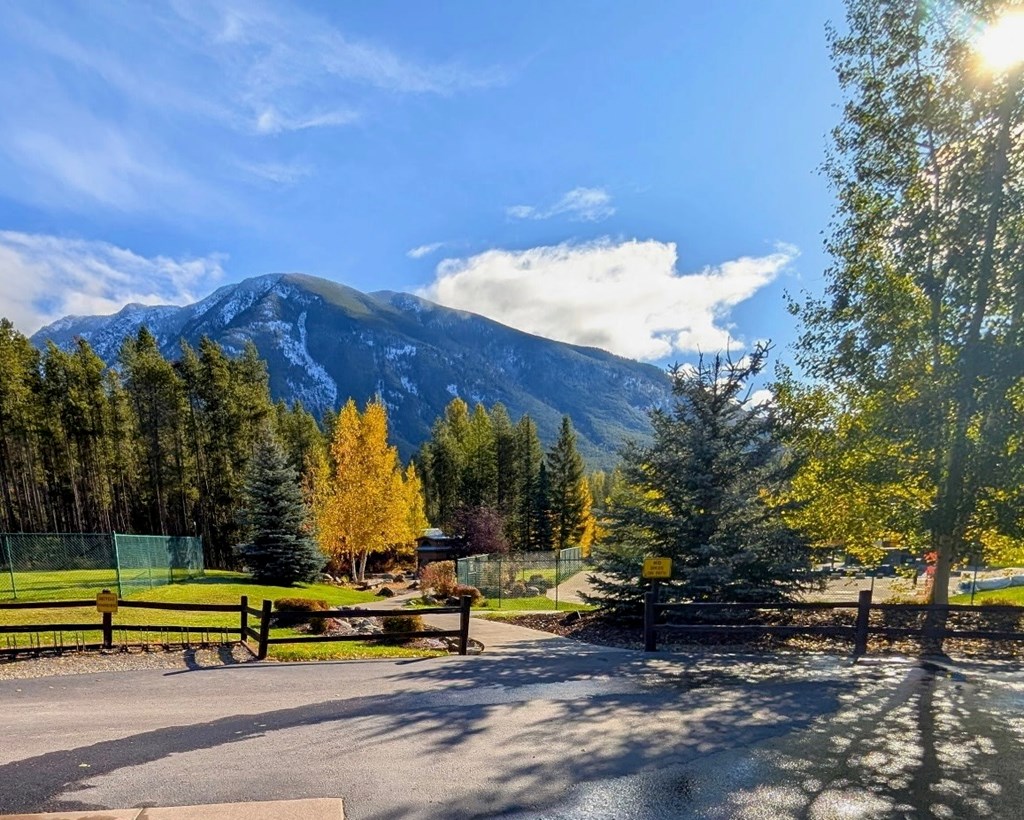
The park is quieter. The temperatures are cooler. The mountains are highlighted by gold foliage. Wildlife is preparing for winter. The pace feels slower and more relaxed.
That's exactly what makes fall one of the best times to visit.
This concludes the series.
Part 1 covers when to visit and how fall unfolds across the park.
Part 2 highlights the best drives, viewpoints, and hiking opportunities for experiencing fall color.
Together, these guides provide everything you need to start planning a fall trip to Glacier National Park and make the most of one of the most beautiful seasons of the year.