Discovering the Magic of the National Elk Refuge
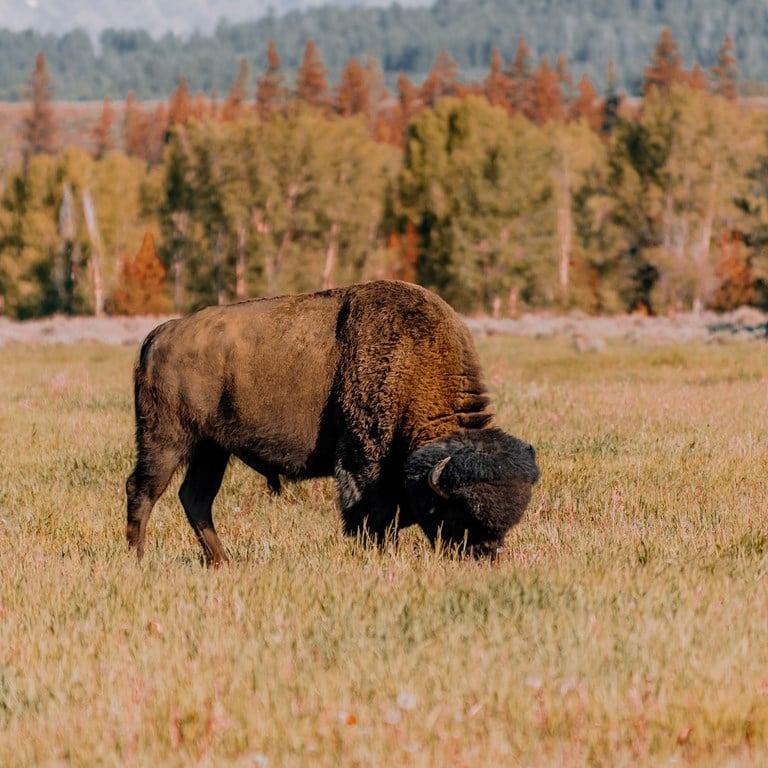
Tucked just north of Jackson, Wyoming, the National Elk Refuge is one of those rare places where nature feels both wild and welcoming. Spanning nearly 25,000 acres between the Teton and Gros Ventre mountain ranges, the refuge was established in 1912 to protect winter habitat for elk struggling to survive harsh Wyoming winters. Today, it’s home not only to thousands of elk but also to bison, bighorn sheep, mule deer, trumpeter swans, bald eagles, coyotes, and the occasional wolf. It’s a landscape of open grasslands, rolling hills, and wide skies that seem to stretch forever, offering an incredible window into the rhythms of wildlife in the Greater Yellowstone ecosystem.
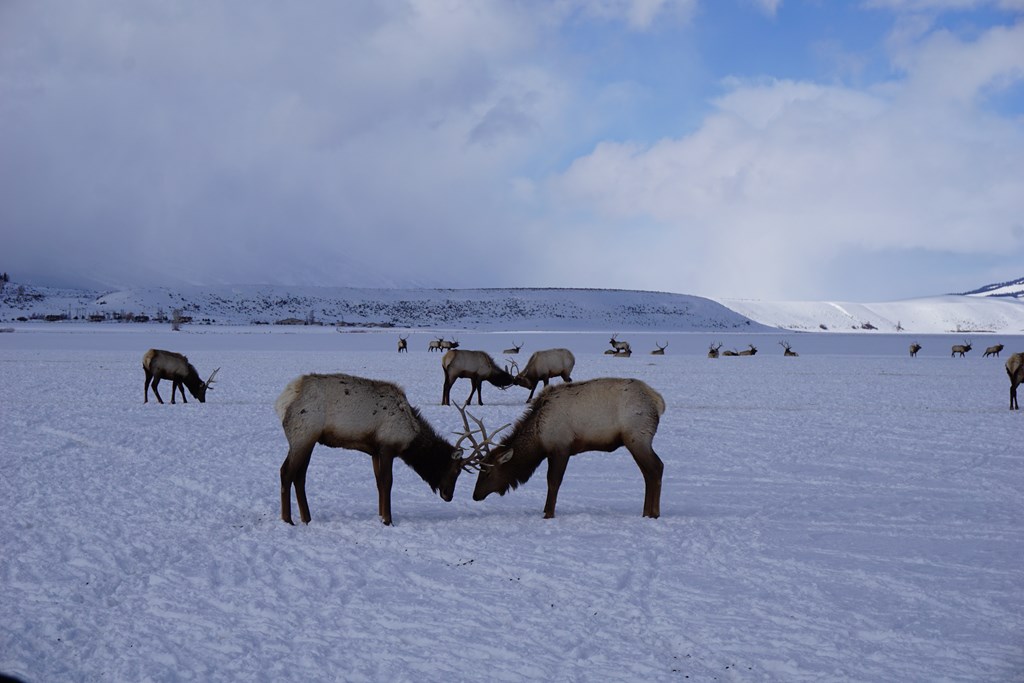
Winter is the most iconic time to visit, when thousands of elk migrate down from the high country to spend the cold months in the valley. The highlight of the season is the famous horse-drawn sleigh rides, which take visitors right into the heart of the herd for an unforgettable close-up experience—think jingling harness bells, crisp mountain air, and the soft snort of elk just a few yards away. If sleigh rides aren’t your thing, you can still spot herds from scenic pullouts along Refuge Road or learn more about the refuge at the Jackson Hole & Greater Yellowstone Visitor Center on North Cache Street.
Each season brings its own kind of beauty. In autumn, as the elk begin migrating down, the refuge is quiet and golden with the sound of bugling echoing across the valley. Spring and summer bring open trails, blooming wildflowers, and birdwatching opportunities when the elk head back to higher ground. Even without the herds, the refuge remains peaceful and alive with other wildlife and the stunning mountain backdrop that makes Jackson so famous.
The National Elk Refuge is located about 50 minutes north of Alpine/Bridger-Teton KOA. Here are some tips about experiencing the refuge with the changing seasons.
Winter (mid-Dec through early April)
What It's Like: Elk visible in the Refuge; snow, cold, but spectacular. U
Best Activities: Horse-drawn sleigh rides (a must), driving the Refuge Road, visiting the visitor center, wildlife watching (binoculars + good camera helpful).
Autumn (Oct-Dec)
What It's Like: Elk begin migrating down as snow forces them from high country; fewer crowds sometimes.
Best Activities: Scenic drives, photography (especially early & late light), watching migration, using the visitor center exhibits.
Spring & Summer
What It's Like: Elk leave for higher elevations; Refuge is quieter in terms of elk, but the habitat shines, and other wildlife is still around.
Best Activities: Biking or walking on pathways, birding, interpretive talks, refuge road drives, enjoying the landscapes.
How to Visit & What to Know
- Visitor Center: Jackson Hole & Greater Yellowstone Visitor Center at 532 N Cache St, Jackson WY. Typically open daily, 9 AM–5 PM.
- Refuge Road: The entrance is off Broadway in Jackson. In winter some sections are open (pull-outs/view points) for driving & wildlife viewing. In summer, additional roads/trails may open. But note: you must stay on designated roads or pull-outs — stepping off into refuge lands generally requires permits or special access.
- Sleigh Rides: If you go in winter, this is a highlight. These guided horse-drawn sleighs get you into the heart of the herd. Very popular, so booking ahead is smart.
- Rules / Access: You can’t wander freely everywhere. For much of the refuge, access is limited (especially off roads) to protect wildlife. Permits are required for certain activities (hunting, fishing, special entry). Respect the signage & closures.
The refuge’s ongoing mission is to conserve habitat, protect migration corridors, and educate visitors about the importance of wildlife management. Whether you’re an avid photographer, a first-time visitor to Jackson Hole, or just someone who appreciates quiet places with big stories, the National Elk Refuge is worth the stop. Bring your binoculars, dress warmly, and take a moment to soak in the stillness. It’s more than a scenic view—it’s Wyoming at its wildest and most beautiful.