Pinon Nuts: New Mexico's Hidden Treasure
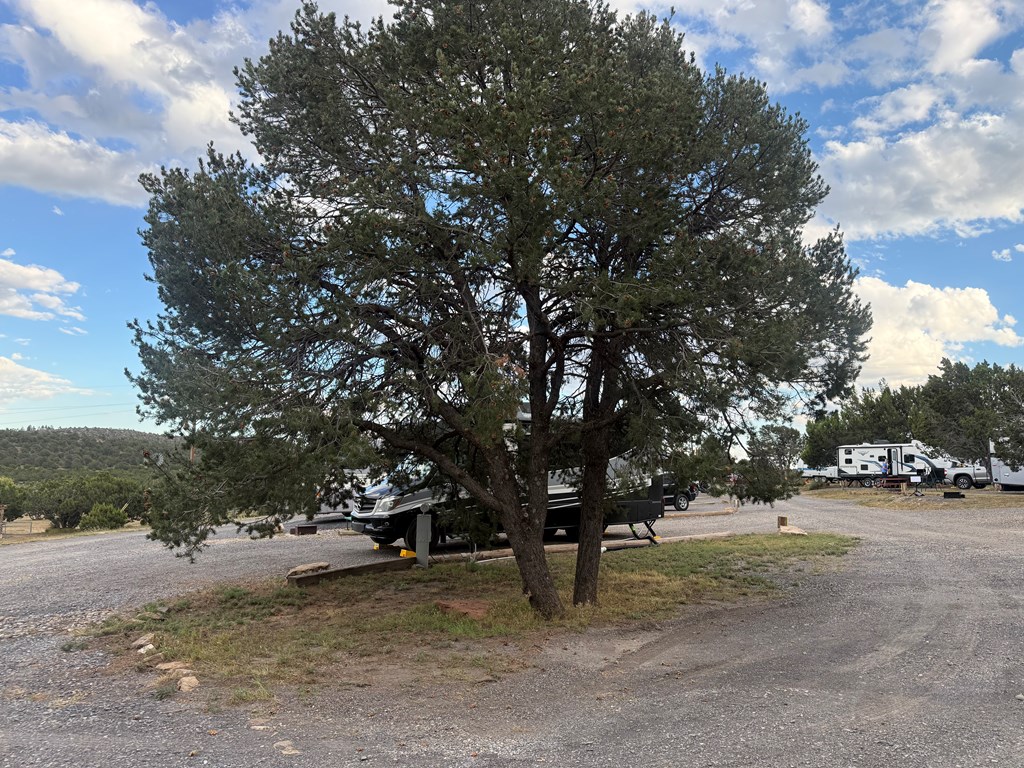
The Story of Piñon Nuts: New Mexico’s Hidden Treasure
If you’ve ever driven through the mountains of New Mexico in the fall, you might have noticed people pulled over along the roadside, buckets in hand, searching the forest floor. They’re not hunting for mushrooms or berries — they’re gathering piñon nuts, one of the Southwest’s most beloved natural foods. These small, buttery seeds have nourished people and wildlife for centuries and remain a cherished part of New Mexico’s culture today.
A Nut With Deep Roots
Piñon (pronounced pee-nyon) nuts come from the piñon pine tree, which grows throughout the high desert and mountain regions of the American Southwest, especially in New Mexico, Arizona, Colorado, and Utah. The piñon pine is actually New Mexico’s state tree, and its seeds have been a vital food source for Indigenous peoples for thousands of years. Tribes such as the Pueblo, Navajo, and Apache traditionally roasted or ground them into meal for use in bread, stews, and even medicine.
During the early 20th century, piñon nuts were a popular snack across the United States, often sold in small paper bags at general stores or roadside stands. Though large-scale harvesting has declined, the tradition of gathering piñons remains strong — especially after a “good piñon year,” when the trees are heavy with cones.
How to Harvest Piñon Nuts
Harvesting piñon nuts takes patience and a bit of know-how. The nuts are found inside the pine cones, which ripen in the fall, typically from September through November. Here’s how it’s done:
Find the right trees. Look for mature piñon pines with cones turning from green to brown — that’s a sign the seeds are ready.
Collect the cones. Many people pick fallen cones from the ground, but you can also gently knock them from the branches.
Dry and extract. Lay the cones in the sun for a few days until they open naturally. Then, shake or pull out the seeds.
Roast and enjoy. Once you remove the hard outer shell, you’ll find the rich, buttery nut inside. Roast them lightly in the oven or over an open fire for an irresistible flavor.
Tip: Be sure to respect private and tribal lands — and only collect where it’s allowed.
Traditional and Modern Uses
Piñon nuts are incredibly versatile. Traditionally, they’ve been used not only as a food source but also as part of ceremonial and medicinal practices. Today, they’re prized for their rich flavor and nutritional value — high in protein, healthy fats, and minerals.
You can enjoy them in:
Trail mixes or granola
Salads or pasta dishes (just like Italian pine nuts)
Piñon coffee — a New Mexican favorite, flavored with roasted nuts
Homemade pastries, cookies, and candies
Their distinct, slightly sweet flavor adds a touch of the Southwest to almost any dish.
A Symbol of the Southwest
Beyond their taste, piñon nuts represent a connection to land, heritage, and community. Gathering piñons is a fall ritual for many families across New Mexico — a time to be outdoors, share stories, and continue a centuries-old tradition.
So the next time you’re traveling through the high desert and catch that unmistakable scent of piñon smoke in the air, take a moment to appreciate this humble little nut — a true taste of New Mexico’s history and heart.