Homeschool Field Trip Lesson Plans & Itineraries
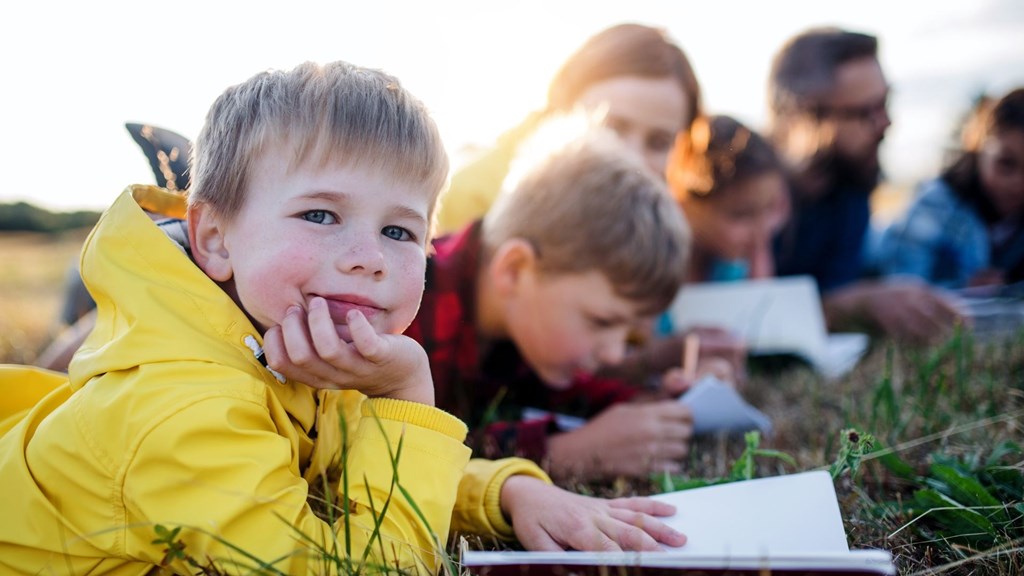
Homeschool Field Trip to Santa Cruz: Educational Family Activities at Santa Cruz / Monterey Bay KOA Holiday
Looking for a homeschool field trip destination where your children can learn about marine biology, redwood forests, California history, nature and science while enjoying a family camping adventure? Plan a homeschool field trip to Santa Cruz / Monterey Bay KOA Holiday.
Santa Cruz is an excellent destination for homeschooling families because learning opportunities are everywhere. Children can explore marine ecosystems, study coastal habitats, walk through redwood forests, discover local wildlife, learn about California history and experience hands-on science throughout the Santa Cruz and Monterey Bay area.
For families looking for educational things to do in Santa Cruz, Santa Cruz / Monterey Bay KOA Holiday provides a convenient camping home base. After a day of homeschool field trips and educational activities, families can return to the campground for outdoor recreation activities like swimming, biking, outdoor games, campfires and time together.
Whether you are planning a dedicated homeschool field trip in California or adding educational activities to a family camping trip, Santa Cruz makes it easy to turn your vacation into a learning adventure.
Why Santa Cruz Is a Great Homeschool Field Trip Destination

One of the biggest benefits of homeschooling is the freedom to learn outside of a traditional classroom. A trip to Santa Cruz lets children experience subjects such as science, geography, history and nature firsthand.
Santa Cruz homeschool activities can include:
- Marine biology and ocean science
- Coastal ecology
- Redwood forest ecosystems
- California history
- Local wildlife and natural history
- Botany and plant identification
- Geology and coastal erosion
- Geography and map reading
- Environmental conservation
- Hands-on STEM activities
- Outdoor and camping skills
Instead of reading about these subjects in a textbook, homeschool students can observe them in the real world.
The Santa Cruz Museum of Natural History offers educational programs and resources covering native animals, fossils, wetlands, watersheds, plant growth and other topics that can complement a homeschool curriculum. The museum also provides free downloadable lesson plans for K-5 students.
Monterey Bay also provides opportunities to learn about ocean science and conservation through resources from the Monterey Bay National Marine Sanctuary.
Why Stay at Santa Cruz / Monterey Bay KOA Holiday for a Homeschool Trip?
A successful homeschool vacation needs more than educational attractions. Families also need a comfortable place where children can relax, play and continue exploring. Santa Cruz / Monterey Bay KOA Holiday is located about 11 miles south of Santa Cruz, making it a convenient home base for exploring the area's homeschool field trip opportunities.
Camping options include RV Sites, Premium Tent Sites, Camping Cabins and Deluxe Cabins with full bathrooms.
The campground also gives families opportunities for outdoor learning and classic camping activities, including:
- Swimming in the heated pool
- Exploring the playground
- Riding bikes
- Playing basketball and volleyball
- Playing horseshoes
- Riding the KOA Express Fun Train
- Watching outdoor movies
- Exploring KampK9
- Participating in campground activities
- Cooking meals together
- Gathering around the campfire
That makes Santa Cruz / Monterey Bay KOA Holiday more than a place to spend the night. The campground itself can become part of your homeschool curriculum.
Homeschool Lesson Plans to Do at the Campground
You don't have to leave the campground to keep learning. Some of the easiest homeschool lesson plans can be built around everyday camping activities.
Nature Study and Nature Journaling
Give each child a notebook and spend 20 to 30 minutes exploring the campground. Have students observe and record:
- Birds and other wildlife
- Trees and plants
- Insects
- Weather
- Sounds
- Animal behavior
- Changes throughout the day
Younger homeschool students can draw pictures and practice identifying colors, shapes and basic plant or animal characteristics. Older students can research what they observe, record scientific observations and develop questions for further study. This simple activity can become an ongoing nature study throughout your camping trip.
Camping Math Lesson
Camping provides practical math lessons for homeschool students of all ages.
Ask children to:
- Calculate the cost per night of the trip
- Track miles traveled
- Calculate fuel usage
- Measure the campsite
- Double or halve a camping recipe
- Calculate meal costs
- Track daily temperatures
- Create a weather graph
- Estimate walking or biking distances
These activities demonstrate how math is used in everyday life.
Campfire Science Lesson
A campfire provides an easy introduction to chemistry and physical science.
Ask:
- What does fire need to burn?
- Why does smoke rise?
- What happens to wood as it burns?
- How does heat move?
- What is combustion?
Younger children can focus on observation and fire safety. Older homeschool students can research combustion and chemical reactions.
Outdoor STEM Challenge
Give your children an engineering challenge using materials available at the campsite.
For example, ask them to design and build a small structure that can withstand wind or hold a certain amount of weight.
Have them:
- Design
- Build
- Test
- Record results
- Improve the design
This creates a hands-on STEM lesson without needing a classroom or computer.
Camp Cooking Lesson
Cooking at your campsite is another opportunity for homeschool learning.
Children can practice:
- Reading instructions
- Measuring
- Fractions
- Multiplication
- Division
- Converting measurements
- Adjusting recipes
- Budgeting
Cooking also teaches valuable life skills and provides an opportunity to discuss the science behind heating and changing food.
Homeschool Field Trip Activities Around Santa Cruz
When you are ready to leave the campground, there are plenty of educational activities around Santa Cruz and Monterey Bay.
Seymour Marine Discovery Center
Turn a visit to the Seymour Marine Discovery Center into a marine biology homeschool lesson. Before your visit, have each child select a marine animal and create three questions they want to answer.
During the visit, have students observe the animal's:
- Habitat
- Diet
- Movement
- Physical characteristics
- Adaptations
- Relationship to its environment
Afterward, have each student create a marine animal report or present what they learned to the family. This activity works well for a homeschool science curriculum focused on marine biology.
Meet Ms. Blue: A Hands-On Marine Biology Lesson
Make your homeschool field trip to the Seymour Marine Discovery Center even more memorable by meeting Ms. Blue, the center's massive blue whale skeleton. Current school and tour information from the Seymour Center continues to feature Ms. Blue as part of the visitor experience, including an outdoor tour where students can see the skeleton up close.
Ms. Blue's restoration also creates an opportunity for a unique STEM lesson. Students can learn about blue whale anatomy and adaptations while exploring how scientists are working to preserve this enormous specimen and develop innovative, climate-conscious restoration solutions.
Before your visit, have each child research blue whales and write down three questions they want to answer. While visiting Ms. Blue, ask students to:
- Observe the size and structure of the whale skeleton
- Identify features of whale anatomy
- Think about how the whale's body is adapted to life in the ocean
- Learn why preserving a specimen this large is challenging
- Consider how science, engineering and technology can help with its restoration
After the visit, have students create a blue whale diagram, write a short marine biology report or explain to the family what they learned about Ms. Blue. For homeschool families, Ms. Blue provides a memorable way to combine marine biology, conservation, engineering and STEM learning during a Santa Cruz field trip.
Santa Cruz Museum of Natural History
The Santa Cruz Museum of Natural History is another excellent destination for homeschool families. The museum focuses on the natural and cultural history of the Santa Cruz area, with topics including wildlife, geology, fossils, wetlands and Indigenous history.
Turn the visit into a research project by having children choose one exhibit or specimen and create a short report about what they discovered. For younger students, ask them to draw their favorite specimen and write a few facts about it.
UC Santa Cruz Arboretum
For families looking for Santa Cruz homeschool activities focused on plants and nature, the UC Santa Cruz Arboretum can become an outdoor botany classroom. The Arboretum's collections represent more than 300 plant families.
Have children choose several plants and record:
- Plant name
- Leaf shape
- Color
- Texture
- Size
- Location
- Amount of sunlight
Then ask why each plant may be suited to its particular environment.
Santa Cruz Beaches and Coastal Exploration
The Santa Cruz coastline provides another natural classroom. Depending on the location and conditions, children can study:
- Tides
- Waves
- Erosion
- Coastal plants
- Birds
- Marine habitats
- Weather
- Geology
Have children create a coastal field journal documenting their observations. Older students can research the Monterey Bay National Marine Sanctuary and learn why protecting marine ecosystems is important.
Redwood Forest Exploration
A visit to the Santa Cruz Mountains offers a completely different type of homeschool field trip. Turn a redwood hike into a lesson about forest ecology.
Have students look for examples of:
- Producers
- Consumers
- Decomposers
- Soil
- Water
- Sunlight
- Animal habitats
After the hike, have them create an ecosystem diagram showing how the different parts of the forest interact.
2-Day Homeschool Field Trip Itinerary
Day 1: Marine Biology and Coastal Science
Morning:
- Visit the Seymour Marine Discovery Center.
- Homeschool lesson: Marine biology and animal adaptations.
- Student activity: Choose a marine animal and record its habitat, diet, behavior and adaptations.
Afternoon:
- Explore the Santa Cruz coastline.
- Homeschool lesson: Coastal ecosystems.
- Student activity: Create a field journal documenting plants, animals, weather, waves and other observations.
Evening:
- Return to Santa Cruz / Monterey Bay KOA Holiday.
- Homeschool lesson: Campground science.
- Student activities: Prepare dinner together, complete a campfire science experiment and spend time nature journaling or stargazing.
Day 2: Forest Ecology and Natural History
Morning:
- Explore the redwoods.
- Homeschool lesson: Forest ecosystems.
- Student activity: Identify producers, consumers and decomposers and create an ecosystem diagram.
Afternoon:
- Visit the Santa Cruz Museum of Natural History.
- Homeschool lesson: Local wildlife, geology and California natural history.
- Student activity: Choose an exhibit or specimen and create a short report explaining what it is and why it is important.
Evening:
- Return to KOA for classic camping activities.
- Swimming, biking, outdoor games, dinner and a campfire provide time for children to relax after their homeschool field trip.
3-Day Homeschool Field Trip Itinerary
Have an extra day? Extend your homeschool field trip from Santa Cruz to Monterey Bay.
Day 3: Monterey Bay Aquarium and Geography
Morning:
- Visit the Monterey Bay Aquarium.
- Homeschool lesson: Marine ecosystems, conservation and animal adaptations.
- Before visiting, have each child choose a research question.
- Examples include:
- How do sea otters stay warm?
- How does kelp support marine life?
- How do marine animals adapt to their environments?
- What threats do ocean ecosystems face?
- Have students collect information during the visit and present their findings to the family.
Afternoon:
- Explore Monterey and the surrounding coastline.
- Homeschool lesson: Geography and California history.
- Have children use a map to identify Monterey Bay, Santa Cruz and major geographic features.
- Older students can calculate the distance traveled, estimate fuel consumption and determine the approximate transportation cost for the day.
Evening:
- Return to KOA for a final family campfire.
- Have each child share:
- Favorite activity
- Most interesting discovery
- Most surprising fact
- Something they learned
- A question they still have
Make Camping Part of Your Homeschool Curriculum

One of the best things about a homeschool field trip is that learning doesn't have to stop when you leave an attraction.
At Santa Cruz / Monterey Bay KOA Holiday, children can learn through everyday camping experiences. They can help set up camp, prepare meals, read maps, observe wildlife, participate in outdoor games and practice new skills. They can study science around the campfire, practice math while cooking, study nature around the campground and develop teamwork through outdoor activities. And they have something equally important: time to play.
Swimming, biking, playground time, campfires and exploring together give children a chance to recharge between educational activities.
Plan Your Santa Cruz Homeschool Field Trip
A homeschool field trip to Santa Cruz / Monterey Bay KOA Holiday can combine education, camping and family adventure into one memorable experience.
Students can study marine biology at the coast, explore forest ecosystems among the redwoods, learn about local history at a museum, practice geography while traveling and conduct hands-on science experiments right at their campsite.
Whether you are looking for homeschool field trips in California, educational things to do in Santa Cruz, Santa Cruz homeschool activities or a family camping destination where learning can happen outdoors, Santa Cruz and Monterey Bay offer plenty of opportunities.
At the end of the day, return to Santa Cruz / Monterey Bay KOA Holiday, gather around the campfire and talk about everything your family discovered.
Because sometimes the best homeschool classroom doesn't have four walls. It has trees, fresh air, a campfire and a whole new place to explore.